
TLDR summary
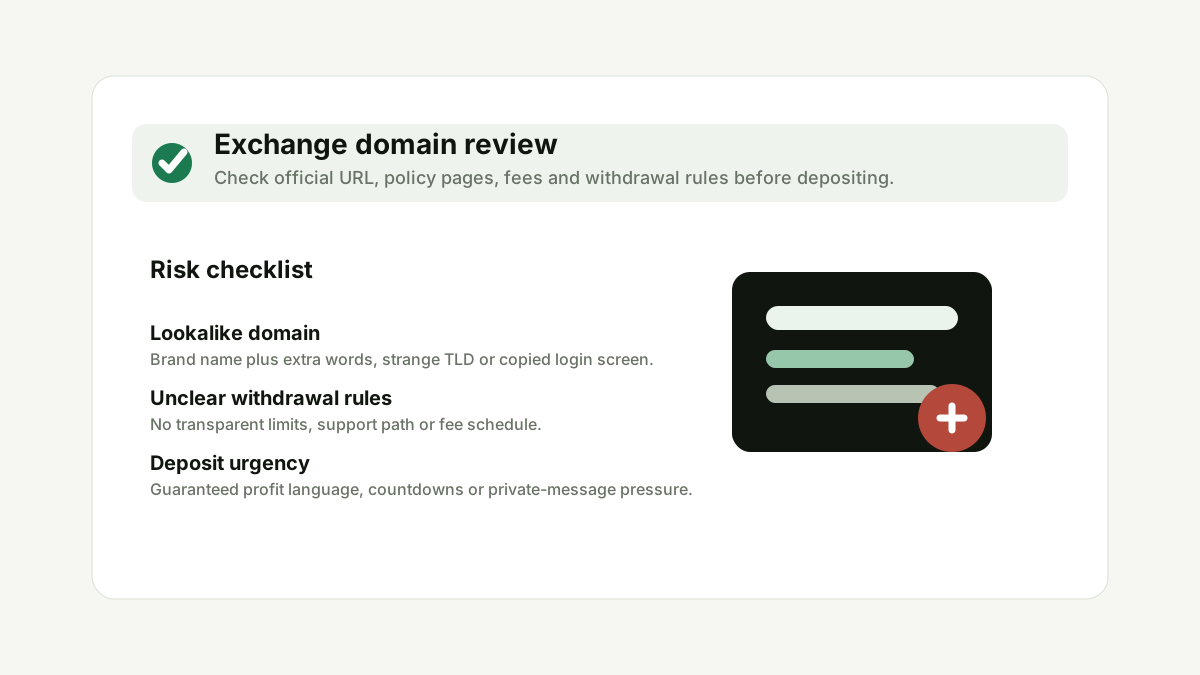
A fake crypto exchange usually tries to look like a real trading platform while hiding weak transparency, unclear withdrawal rules or aggressive deposit prompts. The biggest warning signs are lookalike domains, guaranteed profit claims, private support messages, missing legal pages and withdrawal conditions that appear only after a deposit.
Key takeaways
- Design quality is not a trust signal. Copied exchange pages can look professional.
- Verify the exact domain before signup, login or deposit.
- Withdrawal rules matter more than welcome bonuses or advertised trading fees.
- Use the Crypto Trust Checker as a first-pass domain review, then verify manually.
What is a fake crypto exchange?
A fake crypto exchange is a website or app that presents itself as a trading platform but is designed to mislead users, collect deposits, steal credentials or create artificial account balances that cannot be withdrawn. Some imitate known brands; others invent a new exchange name and use fake reviews or support chats to build urgency.
Warning sign 1: the domain looks close but not exact
Many fake exchanges use brand-like domains, extra words, unusual TLDs or links distributed through ads and private messages. Always compare the domain with official social profiles, app-store listings and saved bookmarks. If the URL adds words such as login, bonus, secure, support or promo to a known exchange name, slow down and verify.
Warning sign 2: withdrawals are unclear
A real exchange should make withdrawal fees, minimums, supported networks, KYC requirements and account limits easy to find before deposit. A fake platform may show a profitable balance but later demand extra tax, unlock fees, verification payments or additional deposits before allowing withdrawal.
Warning sign 3: profit language replaces risk disclosure
Crypto trading has market risk. Pages that promise guaranteed returns, risk-free arbitrage, fixed daily profit or special insider access should be treated as high-risk marketing. A serious platform explains risk, fees and product limits instead of pushing urgency.
Warning sign 4: support moves you into private channels
Private support messages, Telegram admins, WhatsApp agents and direct-message account managers are common in fake exchange flows. Official support should be reachable from the verified domain and should never ask for seed phrases, private keys or remote wallet access.
Comparison table
| Signal | Why it matters | User action |
|---|---|---|
| Lookalike domain | Credential theft and fake deposits often begin on copied login pages. | Type the official URL manually or use a saved bookmark. |
| Missing withdrawal page | Funds can become trapped behind hidden conditions. | Find limits and fees before depositing. |
| Guaranteed returns | Trading platforms cannot remove market risk. | Treat profit promises as a severe risk indicator. |
| Private support pressure | Impersonators often move users away from public channels. | Use only support links from the official site. |
Practical verification flow
- Start with the exact domain or wallet request.
- Check whether the action matches what the page promised.
- Look for transparent documentation, fees, support and risk disclosures.
- Search for independent reports before sending funds or signing approvals.
- If risk signals remain, stop and use a safer route.
FAQ
Can a fake exchange show real-looking balances?
Yes. A fake platform can display artificial balances, charts or profit numbers. The real test is whether deposits, trades, fees and withdrawals can be independently verified.
Is a new exchange always suspicious?
Not always. New platforms can be legitimate, but new domains with weak legal pages, unclear withdrawals and deposit urgency deserve strict review.
What should I do before depositing?
Check the domain, run a trust check, read withdrawal rules, verify KYC requirements, search public reputation and start only with a small test withdrawal if you proceed.
Conclusion
Security checks are most useful when they become a habit. Slow down before signing, logging in or depositing, and use trust signals as a research workflow rather than a single yes-or-no answer.